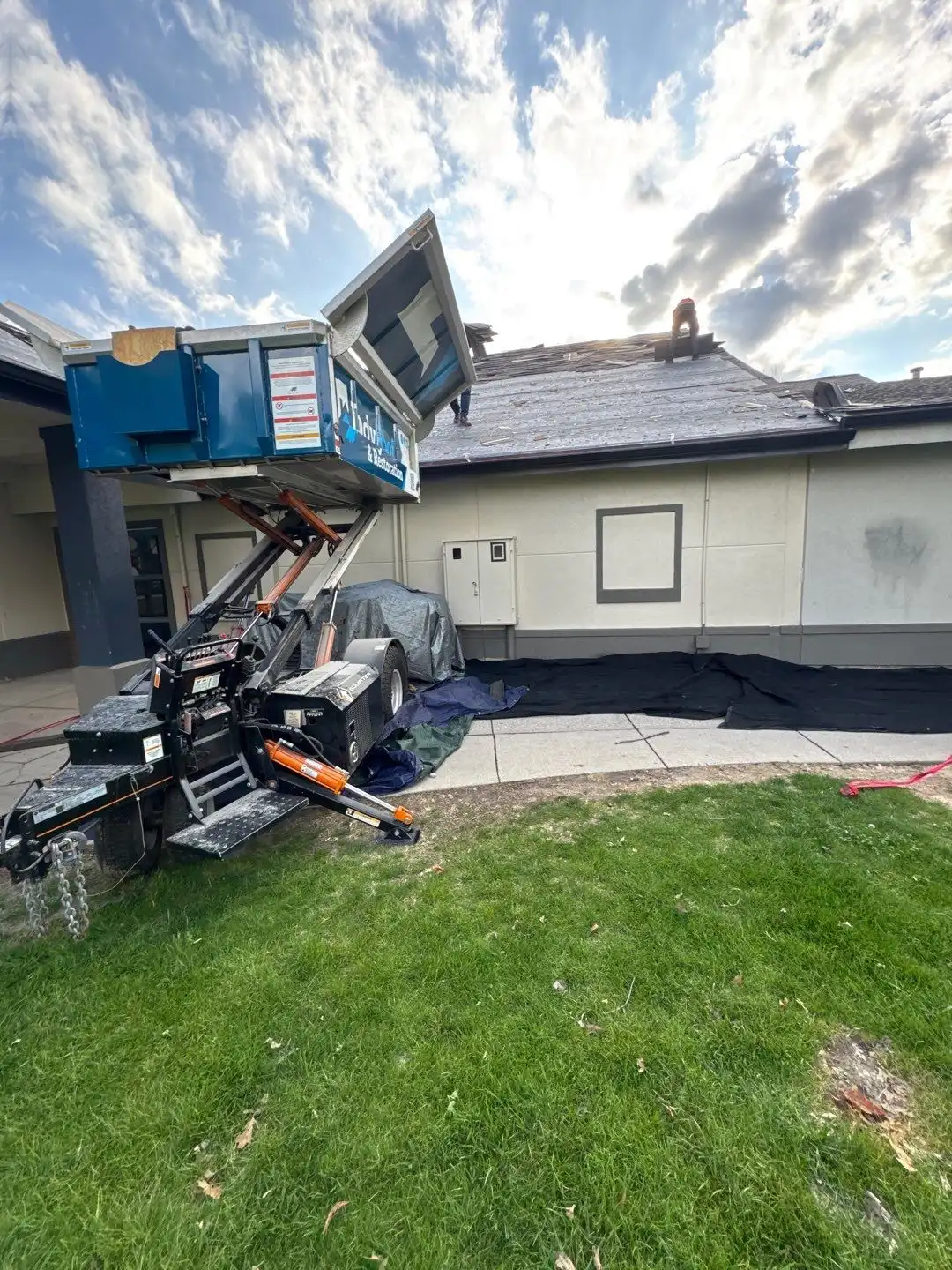
What warehouse roofing involves
Warehouse roofing means caring for a large, mostly flat or low slope roof that covers a substantial area over inventory, equipment, and operations. For a South Bend facility owner, understanding what is involved clarifies how to keep such a roof sound and when to repair or replace it.
Large low slope expanses
A warehouse roof is typically a large low slope expanse covering significant square footage, which shapes how it is built, maintained, repaired, and replaced. The size means any work is a substantial undertaking. For a facility, the large low slope roof depends heavily on its membrane and drainage to keep water out, since the gentle slope sheds water slowly and relies on proper drainage to prevent ponding. The scale also means that the materials and labor for any project add up across the area, so the choices made about the roof carry real weight given how far they extend.
Protecting inventory and operations
A warehouse roof shelters inventory and operations that can represent enormous value, so a roof problem can put that value at risk, which raises the importance of keeping the roof sound. The contents below are part of what the roof protects. For a St. Joseph County facility, the inventory and operations beneath the roof are a central consideration, since a leak or failure can damage stored goods and disrupt distribution. This is why warehouse roof problems deserve prompt attention, and why protecting the contents during any roof work is essential to handling a warehouse roof responsibly.
Drainage across a large roof
Draining a large low slope warehouse roof is a significant task, since the membrane sheds water slowly and the roof depends on its drains, scuppers, and slope to move water off and prevent ponding. Drainage problems at this scale can affect large areas. For a South Bend facility, the drainage is a critical part of the warehouse roof, since inadequate or clogged drainage leads to ponding that steadily damages the membrane, seams, and seals across the large roof. Keeping the drainage clear and adequate is essential to protecting a warehouse roof from the harm that standing water causes over time.
Rooftop equipment and penetrations
Warehouse roofs often carry rooftop equipment, HVAC units, vents, and other penetrations, each a point the roof must seal and a potential leak source. The details around equipment concentrate the leak risk. For a facility, the rooftop equipment and penetrations are a factor in maintaining the warehouse roof, since the seals around them can fail over time and let water in. Keeping these details watertight through regular attention is part of caring for the roof, and on a warehouse with significant equipment, these points warrant ongoing inspection to catch problems before they become leaks.
Operations that continue during work
Warehouse operations, storage and distribution, usually continue during roof work, so the work must be done without disrupting them or putting the inventory at risk. The active facility shapes how projects are handled. For a St. Joseph County facility, keeping operations running during roof work is a real consideration, since the warehouse rarely shuts down for the roof. This means warehouse roof work is planned to protect the operations and inventory below, often phasing it and protecting the contents, so the roof gets addressed while the facility keeps functioning and the goods stay safe.
The stakes of a warehouse roof
A warehouse roof protects significant value, the building, the inventory, and the operations, so keeping it sound matters, and a failure carries consequences beyond the roof itself. The stakes raise the importance of getting the roof right. For a South Bend facility, the value at stake makes the warehouse roof a critical asset deserving proper care and timely decisions about repair or replacement, since a roof problem left to worsen can damage inventory and disrupt operations. Treating the roof as the important system it is, rather than an afterthought, protects what it shelters over the building's life.
Understanding the warehouse roof
Warehouse roofing involves a large low slope roof that protects inventory and operations, depends on drainage, carries equipment and penetrations, and shelters operations that continue during work, all of which shape how it is maintained, repaired, and replaced. For a facility owner, understanding these factors is the foundation for keeping the roof sound and making good decisions about it.
The broader point about a warehouse roof is that it shelters value far beyond the roof itself, so keeping it sound is really about protecting the inventory and operations beneath it. A South Bend facility owner who addresses problems promptly, maintains the roof, and makes timely decisions about repair or replacement protects the goods and the operation, while one who lets problems linger risks the contents and the business. Treating the warehouse roof as the critical asset it is, with care proportioned to what it protects, is what keeps both the roof and what it shelters secure over the building's life.
The broader point about a warehouse roof is that it shelters value far beyond the roof itself, so keeping it sound is really about protecting the inventory and operations beneath it. A South Bend facility owner who addresses problems promptly, maintains the roof, and makes timely decisions about repair or replacement protects the goods and the operation, while one who lets problems linger risks the contents and the business. Treating the warehouse roof as the critical asset it is, with care proportioned to what it protects, is what keeps both the roof and what it shelters secure over the building's life.
Finally, the repair or replace decision on a warehouse roof rewards a thorough assessment, since the right answer depends on the roof's actual condition and the sums involved on a large roof are significant. A facility owner who grounds the decision in an accurate picture of the roof's real state invests appropriately, neither over spending on a premature replacement nor wasting money patching a roof that has genuinely failed. The assessment that grounds the decision is a small cost against the investment it guides, which is why it pays to know the roof's true condition before choosing a path on a large warehouse roof.
The broader point about a warehouse roof is that it shelters value far beyond the roof itself, so keeping it sound is really about protecting the inventory and operations beneath it. A South Bend facility owner who addresses problems promptly, maintains the roof, and makes timely decisions about repair or replacement protects the goods and the operation, while one who lets problems linger risks the contents and the business. Treating the warehouse roof as the critical asset it is, with care proportioned to what it protects, is what keeps both the roof and what it shelters secure over the building's life.
Get your warehouse roof assessed
South Bend Commercial Roofing handles South Bend warehouse roofs, from large low slope expanses to drainage and equipment details. Call (765) 676-3491 to get your warehouse roof assessed by a crew equipped for large facility work. Keeping a warehouse roof sound is what protects the inventory and operations it shelters.